Rising HIV Infections and Fatalities
The officials from the Tripura State AIDS Control Society (TSACS) reported that 828 pupils have tested positive for HIV, and that there have been 47 recorded fatalities. The epidemic, which affects 220 institutions and 24 colleges, emphasizes how quickly HIV is spreading among students. The recent data shows that five to seven new cases of HIV are being detected almost every day,
Addressing a media workshop which was organized by the Tripura Journalist Union, Web Media Forum and TSACS, the Joint Director of TSACS shared a statistical presentation of the overall scenario of HIV in Tripura. the official stated that around 220 schools and 24 colleges and universities have been identified where students are found to be addicted to intervenous drug abuse.
Affluent Families Not Immune
The official further stated that in most of the cases, the children belong to affluent families. There are families where both parents are in government service and by the time they come to know about the drug misuse by their children it is too late
Data from ART Clinics and Health Facilities
According to the data, by May 2024, around 8,729 people with HIV were registered in Tripura’s ART (Antiretroviral Therapy) clinics. These facilities are essential in helping those impacted by the crisis receive continuing medical attention and support. Data collected from 164 health facilities which further highlights the geographic and demographic spread of this outbreak.
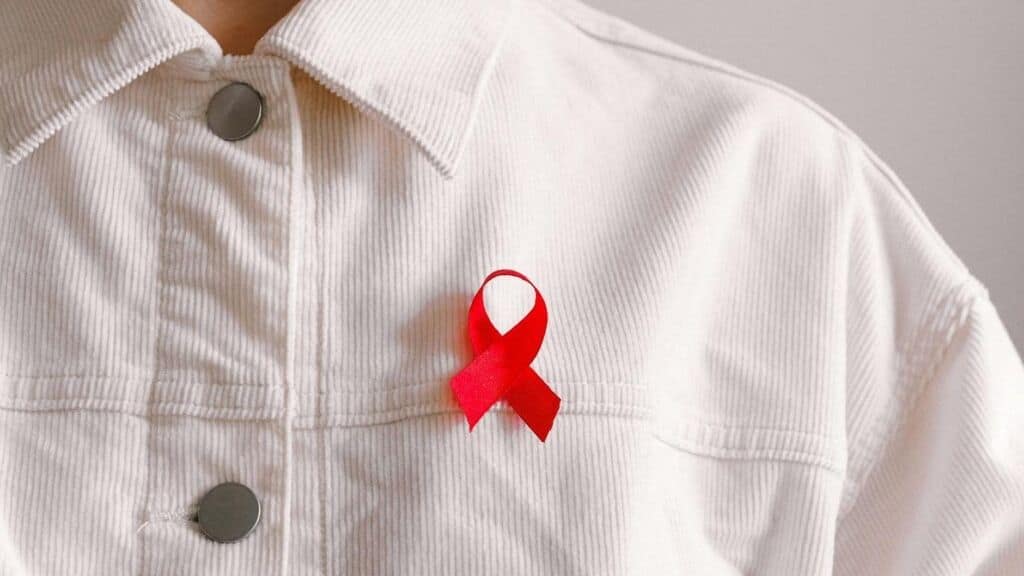
Understanding HIV
Human Immunodeficiency Virus (HIV) is a virus that targets the immune system, primarily CD4 cells (T cells), which are essential for fighting infections. If left untreated, HIV can cause Acquired Immunodeficiency Syndrome (AIDS). Antiretroviral therapy (ART) has the potential to significantly extend the lives of many HIV-infected persons while also lowering their risk of spreading the infection. To properly control the infection, one must be aware of one’s HIV status and get treatment as soon as possible.
According to World Health Organization, by the end of 2022, over 39.0 million individuals were living with HIV, including 1.5 million children. HIV incidence was 1.3 million new cases, a 38% decrease from 2010. In 2022, 29.8 million people received antiretroviral medication. Among those living with HIV, 86% were aware of their status, 76% were getting treatment, and 71% had viral loads reduced.
According to the Government of India, around 2.40 million Indians (1.93 – 3.04 million) are HIV positive, with an adult prevalence of 0.31% in 2009. Children under 15 years old account for 3.5% of all infections, whereas 83% are in the age range 15-49 years. Women account for 39% of all HIV infections (930,000).
Causes
Viral transmission through certain bodily fluids from an infected individual is the cause of HIV infection. Blood, semen, vaginal and rectal fluids, and breast milk are examples of these fluids. For transmission to take place, the virus needs to enter an uninfected person’s circulation.
Transmission
- Unprotected Sexual Contact: Interacting sexually with an infected person without wearing a condom.
- Sharing Needles: Using needles or syringes used by someone with HIV.
- From Mother to Youngster: when expecting, giving birth, or nursing a child.
- Receiving contaminated blood or organs through blood transfusions or organ transplants: although this is uncommon in nations with strict screening procedures.
Symptoms
HIV symptoms vary according on the stage of infection.
- Acute HIV infection produces flu-like symptoms such as fever, sore throat, and exhaustion within 2-4 weeks of exposure.
- Chronic HIV infection: The virus remains alive but reproduces at a very low rate. People may have no symptoms or merely moderate ones. This stage can extend for years without therapy.
- AIDS symptoms include rapid weight loss, persistent fever, intense exhaustion, prolonged enlargement of the lymph glands, and increasingly serious infections and malignancies.
Prevention
- Consistent use of condoms during sex.
- Pre-Exposure Prophylaxis (PrEP) entails taking HIV drugs to reduce the chance of infection.
- Safe Needle Practices: Avoid sharing needles.
- Routine Testing: Sexually active people should have HIV tested on a regular basis.
- Treatment for Pregnant Women: HIV-positive moms are taking drugs to lower the risk of passing the virus to their newborns.
Treatment
- Antiretroviral therapy (ART): It is the use of HIV medications to reduce viral load to undetectable levels, allowing people to live longer, healthier lives while lowering the risk of transmission.
- Regular surveillance: Check-ups and surveillance of the immune system and viral load.
- Maintaining a healthy lifestyle entails eating a well-balanced diet, exercising regularly, and refraining from smoking and drinking excessively.
The HIV outbreak in Tripura highlights the critical need for extensive efforts to combat injectable drug use among students and prevent the spread of HIV. Aiming to reduce the epidemic’s effects and protect public health, stakeholders are promoting community involvement, improving medical support, and raising awareness.
Inputs from various media sources

Discover more from HealthOdysseyHub
Subscribe to get the latest posts sent to your email.