It’s become commonplace to pass the time while bored by scrolling through digital videos. But according to new research from the American Psychological Association, this behaviour can actually make people more bored and less satisfied with the information.
Study
Over 1,200 people participated in seven trials in the study, which was led by University of Toronto postdoctoral researcher Katy Tam, PhD. Participants included both residents of the United States and students attending the university. The consequences of “digital switching,” in which subjects routinely changed from one video to another out of boredom, were the main subject of study.
Baseline Trials and Results
In two baseline studies, subjects were free to move between videos whenever they were disinterested. At first, they thought that this behavior would make them feel less bored. The results, however, showed the reverse. In fact, digital switching—watching quick video clips or scrolling through them—made participants more disinterested.
Effects on Engagement and Enjoyment
Additional tests demonstrated how digital switching affects the viewing experience. In one trial, participants reported feeling more engaged and less bored after watching a single 10-minute movie without the ability to choose between them. Those who flipped between many five-minute movies in a 10-minute window, on the other hand, felt that the encounter was less fulfilling and significant.
In another trial, participants were given the choice to fast-forward or rewind a 50-minute video, or they could watch a single 10-minute video. Similar trends were observed in both cases. According to the study’s findings, digital switching might make information seem less valuable since it would be harder for viewers to interact or comprehend it completely.
Consequences for Watching Digital Media
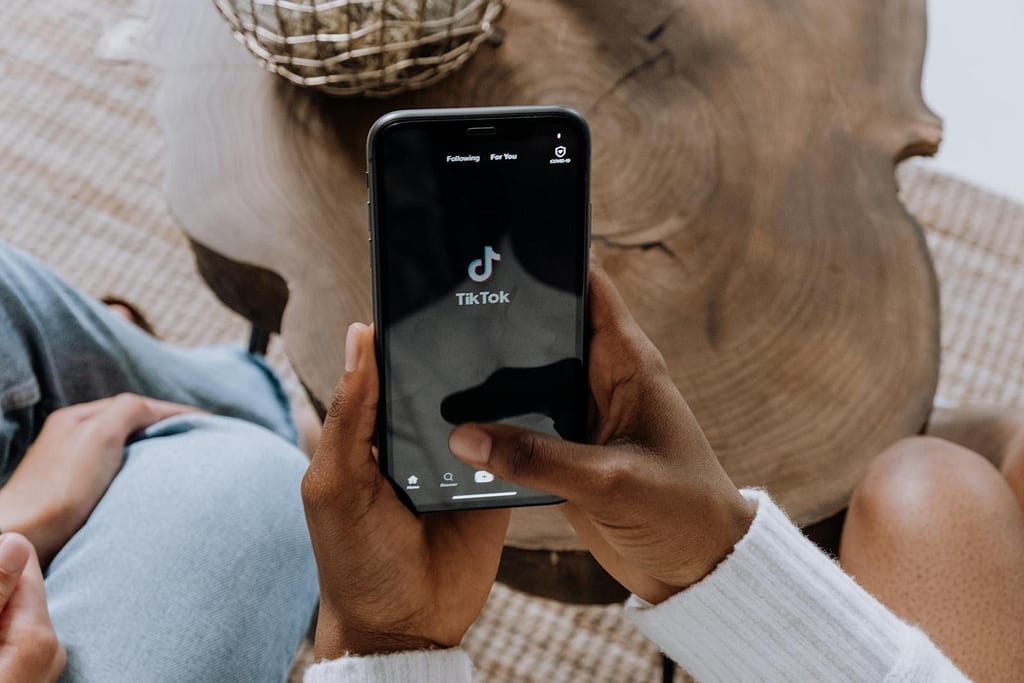
The growing trend of digital media consumption, especially on sites like Facebook, YouTube, and TikTok, makes it more crucial than ever to comprehend the consequences of digital transitioning. A lot of individuals use these platforms to avoid being bored, but the study reveals that doing so can have the opposite impact, making people feel even more bored and have a less fulfilling experience.
Psychological Effects
Problems about the wider psychological effects of prolonged boredom are also brought up by the study. Chronic boredom has been connected in the past to risk-taking behaviors, anxiety, depressive symptoms, and sadistic aggressiveness. While low attention spans were not examined in this study, it is possible that digital switching is a factor in these unfavorable results.
Limitations and factors to consider
The fact that a large number of participants were college students in Canada is one of the study’s acknowledged weaknesses. As a result, the results can vary depending on an individual’s age or level of familiarity with digital media, and they might not accurately reflect the general population.
Conclusion
Although it can be tempting to grab a smartphone when you’re bored, this study indicates that watching web movies in a more immersed and concentrated manner may result in higher levels of satisfaction. It may be possible to lessen the detrimental effects of boredom and improve the watching experience overall by reducing digital switching.
(Newswise)

Discover more from HealthOdysseyHub
Subscribe to get the latest posts sent to your email.