Metabolic Associated Fatty Liver Disease (MAFLD): The Growing Concern of Excess Fat in the Liver
Author: Dr. Nikhil (MBBS,MD)
Overview
Metabolic Associated Fatty Liver Disease (MAFLD) is a disorder in which excess fat accumulates in the liver. Fatty liver disease, also known as steatosis, occurs when fat accounts for more than 5% of the weight of the liver. Further, this illness can range from basic fatty liver without symptoms to more severe versions that cause liver inflammation and scarring, known as Non-alcoholic Steatohepatitis (NASH).
Causes
Factors contributing to MAFLD and NASH include lifestyle, metabolic disorders, and genetic predisposition. The most common risk factors are:
- Overweight and Obesity: An excessive calorie intake because of unhealthy eating habits impair the liver’s ability to break down fat. Consequently, resulting in fat storage.
- Type 2 diabetes: It is closely related to fatty liver disease because of its effects on fat metabolism.
- Cholesterol and triglycerides: High levels contribute to fat accumulation in the liver.
- Insulin Resistance: Insulin resistance is a key factor in the development of MAFLD. Insulin resistance occurs when the body’s cells do not respond effectively to insulin, .
- Metabolic Syndrome: Abdominal obesity, high blood triglycerides, low levels of high-density lipoproteins (HDLs), high blood pressure, and high fasting blood sugar are all major contributors
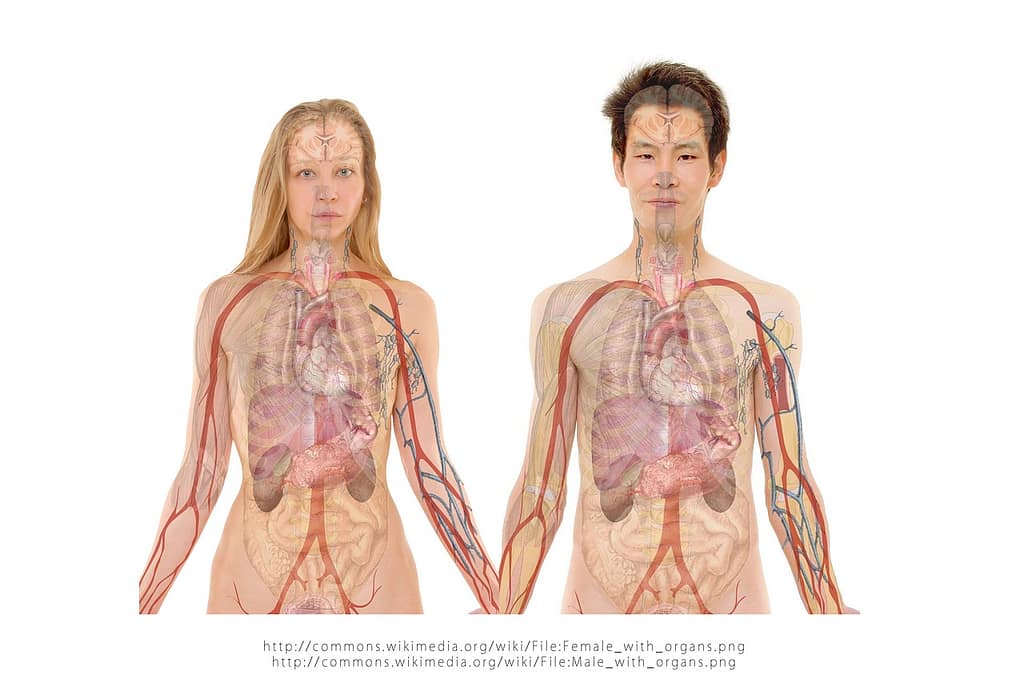
Gender Differences and the Role of Sex Hormones in MAFLD
Men and women have dramatically different rates of Metabolic Associated Fatty Liver Disease (MAFLD), even at a young age. Research indicates that males are more likely to develop MAFLD than females . MAFLD can occur both before and after puberty. This continues throughout adulthood. Men have a higher rate of MAFLD than pre-menopausal women. However, the incidence of MAFLD rises dramatically in postmenopausal women, indicating that sex hormones may play an important part in the disease’s processes.(1)(2)
Sex hormones are steriod hormones which comes from cholesterol molecule. They include estrogens, androgens, and progestogens.(3) These hormones can connect to receptors in liver cells. Their metabolism and interconversion occurs in the liver.(4) Similarly, estrogens protects against liver fat buildup by increasing fat breakdown and decreasing fat synthesis from non-fat sources.
When estrogen levels fall, as they do in postmenopausal women, the body’s metabolic rate slows, contributing to weight gain and an increased risk of obesity. Likewise, these characteristics are strongly linked to insulin resistance and an increased risk of liver fibrosis, both of which play major roles in the development of MAFLD.(5)
Furthermore, hormonal imbalances like polycystic ovarian syndrome (PCOS) have shown relationship between sex hormones and MAFLD. Women with PCOS are twice as likely to develop MAFLD as women without PCOS. In PCOS the levels of androgens are greater estrogens. PCOS is also related with a higher prevalence of obesity, insulin resistance, and metabolic syndrome among these women, all of which contribute to the development of MAFLD.(6)(7)
Overall, sex hormone differences between men and women have a major impact on the risk, progression, and prevalence of MAFLD.(8) Understanding this differences in gender is critical for creating effective disease preventive and management measures.
Chinese Traditional Medicine and Ayurveda Approaches to Liver Health
In addition to conventional medical therapy, traditional medicine systems such as Chinese Traditional Medicine (CTM) and Indian systems of medicine, including Ayurveda, have been exploring remedies and practices for liver health management, including MAFLD.
Chinese Traditional Medicine
The liver is regarded as an important organ in Chinese traditional medicine because according to CTM, liver regulates qi (energy) and blood flow. Several herbal formulations, acupuncture, and lifestyle changes are frequently advocated for improving liver function and managing liver disorders, including MAFLD. Above all, Dahuang (Rheum palmatum), Yinchenhao (Artemisia capillaris), and Danshen (Salvia miltiorrhiza) are popular herbs used for liver ailments. Additionally, these herbs are reported to reduce liver inflammation, improve lipid metabolism, and protect liver cells from injury.
Ayurveda
According to Ayurveda, liver, ‘Yakrut’, is a vital organ for cleansing and metabolism. Ayurveda mentions about a comprehensive approach to liver health. It includes dietary adjustments, herbal therapies, and yoga. Further, herbs like Guduchi (Tinospora cordifolia), Kalmegh (Andrographis paniculata), and Punarnava (Boerhavia diffusa) are used for promoting liver function and minimizing fat formation. To prevent and control MAFLD, Ayurvedic remedies focus on balancing the body’s doshas (vital energies), as well as optimizing digestion and metabolism.
Symptoms
In its early stages, MAFLD may not produce any obvious symptoms. Many people are diagnosed during routine medical checkups. Symptoms can include:
- Fatigue
- Weight loss
- Loss of appetite
- Weakness
- Pain in upper right abdomen
World Health Organization (WHO) and the European Association for the Study of the Liver (EASL) Recommendations for MAFLD
Both the World Health Organization (WHO) and the European Association for the Study of the Liver (EASL) offer comprehensive guidelines for preventing and controlling MAFLD.
World Health Organization recommendations
The World Health Organization promotes following approach to controlling MAFLD, which includes:
- Public Health Strategies: The WHO promotes community-level policies. These strategies encourage healthy eating and physical exercise in order to reduce the prevalence of obesity, diabetes, and other metabolic diseases associated with MAFLD.
- Healthcare System Strengthening: The WHO’s suggestions include training healthcare providers to effectively recognize and manage MAFLD, incorporating liver health into primary care services, and further enhancing access to diagnostic and treatment tools.
- Study and Data Collection: The WHO promotes additional study into the epidemiology of MAFLD, including risk factors, progression, and outcomes, particularly in low- and middle-income countries where data may be limited.
The European Association for the Study of the Liver Recommendations
The European Association for the Study of the Liver (EASL) presents particular guidelines targeted to the care of MAFLD.
- Risk stratification: The EASL recommends a non-invasive diagnostics to measure liver fibrosis and determine the risk of disease development. So, these include blood testing and imaging methods such as elastography.
- Pharmacological Interventions: This is for patients with severe liver disease or who do not react to lifestyle changes. The EASL recommends pioglitazone, vitamin E, or other medicines that target metabolic pathways and liver inflammation.
- Lifestyle Interventions: Similarly, EASL emphasizes the need of long-term lifestyle adjustments. It stresses upon dietary alterations, frequent physical activity, and weight management, as the key method for addressing MAFLD.
Management of Metabolic Associated Fatty Liver Disease (MAFLD)
MAFLD management requires an approach involving lifestyle modifications, dietary changes, exercise, medication, and, bariatric surgeries in few patients.
Lifestyle Interventions
According to the American Association of Clinical Endocrinology (AACE) guidelines (2022), lifestyle interventions are important in managing MAFLD patients. Above all, in those with obesity, metabolic syndrome (MetS), diabetes, prediabetes, hypertension, dyslipidemia, and cardiovascular disease (CVD).(9)
Lifestyle interventions aim to:
- Achieve a 3%-5% weight loss, which has been linked to reduced hepatic steatosis and insulin resistance.(10)
- Encourage long-term health benefits by making lasting modifications to your food and exercise routine.
Dietary interventions
Dietary control is important in MAFLD treatment. The main objective is to produce a calorie deficit while improving macronutrient composition in the diet. The key recommendations include:
- Weight loss of ≥5% is effective for lowering hepatic fat buildup.(11)
- Restricting simple carbs, saturated fats, and added sugars in the diet so as to help enhance liver function.
- Adoption of the Mediterranean Diet: Because the diet is rich in vegetables, fruits, whole grains, lean protein, and healthy fats, it have been found to help with liver fat loss.(12)
- Intermittent fasting and time-restricted eating: New evidence suggests that these eating patterns can help manage MAFLD, therefore, encouraging fat reduction and improving metabolic indicators.(13)
Exercise Interventions
Physical activity is important in managing MAFLD therefore, the benefits of physical activeness are:
- Increased energy consumption and negative energy balance, mainly with a calorie-restricted diet.
- Improvements in muscle metabolism and overall liver function.
- Reduction in liver enzymes (transaminases).(14)
Regular exercise, especially moderate-to-vigorous intensity aerobic exercises and resistance training, is recommended for optimal results.
Pharmacotherapy
In patients where lifestyle modifications alone cannot help, pharmacological interventions can be considered. Medications used in the management of MAFLD include:
- Insulin Sensitizers:
- Pioglitazone
- Metformin
- Incretin Mimetics:
- GLP-1 receptor agonists (GLP-1RAs) and DPP-4 inhibitors
- Sodium-Glucose Cotransporter-2 (SGLT-2) Inhibitors
- Lipid-Lowering Drugs
- Vitamin E
- Anti-Obesity Pharmacotherapy
Bariatric Procedures
Patients with severe obesity (BMI ≥ 40 kg/m² or BMI ≥ 35 kg/m² with comorbidities) who are unable to achieve sufficient weight loss through lifestyle changes, bariatric surgery may be considered. Bariatric procedures, such as gastric bypass or sleeve gastrectomy, can lead to significant weight reduction, which in turn has been associated with improvements in liver histology and function.(15)
Conclusion
In conclusion, Metabolic Associated Fatty Liver Disease is a major public health problem associated to lifestyle choices and metabolic disorders. However, individuals can take measures to control their health by recognizing its causes, symptoms, and risk factors, which include nutrition, exercise, and other lifestyle changes. The WHO and EASL guidelines and recommendations, combined with insights from traditional medicine, emphasize the need of early intervention and long-term lifestyle modifications in avoiding MAFLD progression and improving overall liver health.
References
1. Henry L, Paik J, Younossi ZM. Review article: the epidemiologic burden of non-alcoholic fatty liver disease across the world. Aliment Pharmacol Ther. 2022 Sep;56(6):942-956. doi: 10.1111/apt.17158. Epub 2022 Jul 26. PMID: 35880713.
2. Balakrishnan M, Patel P, Dunn-Valadez S, Dao C, Khan V, Ali H, El-Serag L, Hernaez R, Sisson A, Thrift AP, Liu Y, El-Serag HB, Kanwal F. Women Have a Lower Risk of Nonalcoholic Fatty Liver Disease but a Higher Risk of Progression vs Men: A Systematic Review and Meta-analysis. Clin Gastroenterol Hepatol. 2021 Jan;19(1):61-71.e15. doi: 10.1016/j.cgh.2020.04.067. Epub 2020 Apr 30. PMID: 32360810; PMCID: PMC8796200.
3. Yang M, Ma F, Guan M. Role of Steroid Hormones in the Pathogenesis of Nonalcoholic Fatty Liver Disease. Metabolites. 2021 May 17;11(5):320. doi: 10.3390/metabo11050320. PMID: 34067649; PMCID: PMC8156407.
4. Chen KL, Madak-Erdogan Z. Estrogens and female liver health. Steroids. 2018 May;133:38-43. doi: 10.1016/j.steroids.2017.10.015. Epub 2017 Nov 1. PMID: 29100781.
5. Rhyu J, Yu R. Newly discovered endocrine functions of the liver. World J Hepatol. 2021 Nov 27;13(11):1611-1628. doi: 10.4254/wjh.v13.i11.1611. PMID: 34904032; PMCID: PMC8637678.
6. Gariani K, Jornayvaz FR. Pathophysiology of NASH in endocrine diseases. Endocr Connect. 2021 Feb;10(2):R52-R65. doi: 10.1530/EC-20-0490. PMID: 33449917; PMCID: PMC7983516.
7. Chen MJ, Ho HN. Hepatic manifestations of women with polycystic ovary syndrome. Best Pract Res Clin Obstet Gynaecol. 2016 Nov;37:119-128. doi: 10.1016/j.bpobgyn.2016.03.003. Epub 2016 Apr 6. PMID: 27107966.
8. Lefebvre P, Staels B. Hepatic sexual dimorphism – implications for non-alcoholic fatty liver disease. Nat Rev Endocrinol. 2021 Nov;17(11):662-670. doi: 10.1038/s41574-021-00538-6. Epub 2021 Aug 20. PMID: 34417588.
9. Cusi K, Isaacs S, Barb D, Basu R, Caprio S, Garvey WT, Kashyap S, Mechanick JI, Mouzaki M, Nadolsky K, Rinella ME, Vos MB, Younossi Z. American Association of Clinical Endocrinology Clinical Practice Guideline for the Diagnosis and Management of Nonalcoholic Fatty Liver Disease in Primary Care and Endocrinology Clinical Settings: Co-Sponsored by the American Association for the Study of Liver Diseases (AASLD). Endocr Pract. 2022 May;28(5):528-562. doi: 10.1016/j.eprac.2022.03.010. PMID: 35569886.
10. Chalasani N, Younossi Z, Lavine JE, Charlton M, Cusi K, Rinella M, Harrison SA, Brunt EM, Sanyal AJ. The diagnosis and management of nonalcoholic fatty liver disease: Practice guidance from the American Association for the Study of Liver Diseases. Hepatology. 2018 Jan;67(1):328-357. doi: 10.1002/hep.29367. Epub 2017 Sep 29. PMID: 28714183.
11. Varkaneh HK, Poursoleiman F, Al Masri MK, Alras KA, Shayah Y, Masmoum MD, Alangari FA, Alras AA, Rinaldi G, Day AS, Hekmatdoost A, Abu-Zaid A, Kutbi E. Low fat diet versus low carbohydrate diet for management of non-alcohol fatty liver disease: A systematic review. Front Nutr. 2022 Aug 16;9:987921. doi: 10.3389/fnut.2022.987921. PMID: 36051903; PMCID: PMC9424761.
12. Misciagna G, Del Pilar Díaz M, Caramia DV, Bonfiglio C, Franco I, Noviello MR, Chiloiro M, Abbrescia DI, Mirizzi A, Tanzi M, Caruso MG, Correale M, Reddavide R, Inguaggiato R, Cisternino AM, Osella AR. Effect of a Low Glycemic Index Mediterranean Diet on Non-Alcoholic Fatty Liver Disease. A Randomized Controlled Clinici Trial. J Nutr Health Aging. 2017;21(4):404-412. doi: 10.1007/s12603-016-0809-8. PMID: 28346567.
13. Różański G, Pheby D, Newton JL, Murovska M, Zalewski P, Słomko J. Effect of Different Types of Intermittent Fasting on Biochemical and Anthropometric Parameters among Patients with Metabolic-Associated Fatty Liver Disease (MAFLD)-A Systematic Review. Nutrients. 2021 Dec 26;14(1):91. doi: 10.3390/nu14010091. PMID: 35010966; PMCID: PMC8747070.
14. Hong F, Liu Y, Lebaka VR, Mohammed A, Ye W, Chen B, Korivi M. Effect of Exercise Training on Serum Transaminases in Patients With Nonalcoholic Fatty Liver Disease: A Systematic Review and Meta-Analysis. Front Physiol. 2022 Jun 28;13:894044. doi: 10.3389/fphys.2022.894044. PMID: 35837021; PMCID: PMC9273783.
15. Aron-Wisnewsky J, Doré J, Clement K. The importance of the gut microbiota after bariatric surgery. Nat Rev Gastroenterol Hepatol. 2012 Oct;9(10):590-8. doi: 10.1038/nrgastro.2012.161. Epub 2012 Aug 28. PMID: 22926153.
Author: Dr. Nikhil (MBBS,MD)
Disclaimer: The information provided on HealthOdysseyHub is for educational purposes only and should not be considered a substitute for professional medical advice, diagnosis, or treatment. While we strive to ensure that the content is accurate and up-to-date, healthcare knowledge is constantly evolving. Therefore, we encourage you to consult with a qualified healthcare professional before making any decisions based on the information found on this site. Additionally, some of the treatments, practices, or approaches discussed on this site may be rooted in alternative or complementary medicine. While we aim to present these perspectives as accurately as possible, they may not always align with conventional medical practices or recommendations.Hence, it is always advisable to approach such content with caution and seek multiple opinions when considering any medical intervention.
Discover more from HealthOdysseyHub
Subscribe to get the latest posts sent to your email.