Gut Health: Improve through lifestyle and diet changes
Overview
You’ve probably heard the word gut health and the statement that good gut health is important for your health, but you wonder what it means. It means having a diverse colony of helpful bacteria and other microbes in your digestive tract. These bacteria and microbes contribute to your overall health. A healthy gut affects our immune system, brain function, and mental well-being.
If you have an unhealthy gut, it may lead to digestive issues such as bloating, indigestion, and diarrhea, as well as other health conditions. Fortunately, there are ways to care for and improve your gut health through lifestyle and diet changes.
Here are several ways to improve your gut health and encourage a balanced microbial community to gain positive effects.
Ways to increase microbial community
Eat a high-fiber diet
Research (1) shows that high-fiber foods have a positive impact on gut health. Since, the bacteria in your gut feed on fiber, the more fiber you eat, the more the bacteria flourish!
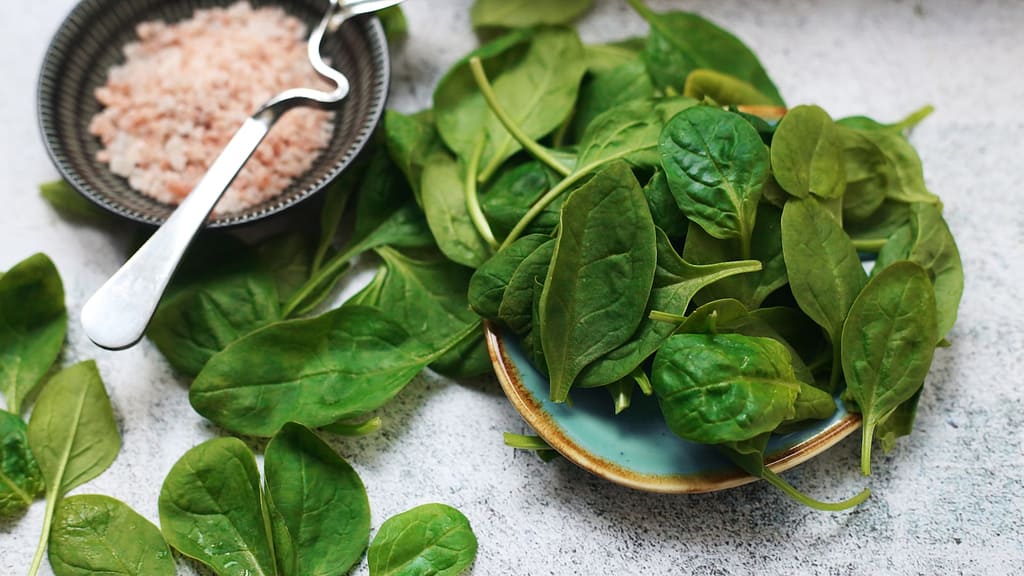
Fiber is present in foods that come from plants, such as vegetables, legumes, whole grains, and nuts. The gut bacteria like a specific type of plant fibers called prebiotics. The digestive system doesn’t break them down. Instead, they pass through the digestive tract and enter the large intestines, where they are fermented and eaten up by healthy bacteria.
Therefore, increasing your intake of high-fiber foods plays an important role in encouraging a balanced microbial community.
Limit ultra-processed foods
Since, the ultra-processed foods are packed with additives and preservatives and have little or no healthy nutrients to support gut health, it is best to eat foods that are minimally processed and as close to their natural states as possible.
Eat fermented foods
Eating fermented foods such as kimchi, yogurt, kefir, and sauerkraut helps boost microbiome thanks to the presence of probiotics. Diets rich in fermented foods encourage the growth of beneficial bacteria and support digestion.
Eat a diverse range of food
Eating a wide range of foods ensures you are getting diverse nutrients in your diet. Diversity in food can help lead to a more diverse microbiome, which is a good indicator of a healthy microbiome.

Hydration
Water is vital for good health. It helps break down food so that your body can absorb nutrients. Water also softens stool, which helps prevent constipation. Drinking plenty of water helps maintain the balance of good bacteria in your intestines.
Exercise
Exercising has a positive impact on the gut microbiota. Studies(2) show that exercise benefits by helping to increase the number of different types of bacteria. Regular exercise, such as walking, running, or yoga, also helps stimulate the gut muscles to move digestive contents.
Stress Management
Stress can negatively impact your intestinal health. Reducing stress lowers inflammation in the gut, eases GI distress, and keeps you nourished since your body focuses on absorbing the nutrients you need.
Manage your stress levels by meditating, practicing deep breathing exercises, getting enough sleep, practicing yoga, and participating in regular physical activity.

Proper Sleep
Getting adequate sleep is linked to gut health. Therefore, not getting enough sleep can disrupt the microbiome and lead to gastrointestinal problems.
A Quick Review
Gut health is crucial for overall body function, affecting everything from the brain to the immune system. Improving through lifestyle and dietary changes can significantly enhance well-being and balance the gut microbiome.
References:
- Cronin P, Joyce SA, O’Toole PW, O’Connor EM. Dietary Fibre Modulates the Gut Microbiota. Nutrients. 2021 May 13;13(5):1655. doi: 10.3390/nu13051655. PMID: 34068353; PMCID: PMC8153313.
- Monda V, Villano I, Messina A, Valenzano A, Esposito T, Moscatelli F, Viggiano A, Cibelli G, Chieffi S, Monda M, Messina G. Exercise Modifies the Gut Microbiota with Positive Health Effects. Oxid Med Cell Longev. 2017;2017:3831972. doi: 10.1155/2017/3831972. Epub 2017 Mar 5. PMID: 28357027; PMCID: PMC5357536.
Author Bio
Rosemary Wanjiku is a nutritionist with a passion for food and healthy living. She enjoys sharing tips on diet and wellness to help educate others. In her free time, she loves experimenting with new recipes.
Follow author at: https://wanjikumbugua.wordpress.com/
Reviewed By
Dr. Anurag, M.B.B.S., M.D. (Internal Medicine)
Summary
In this insightful article, Rosemary Wanjiku highlights the important role of gut health. Gut health plays an important role in overall well being affecting immune function, brain health, and mental wellness. She outlines the key strategies to enhance gut health, like consuming a high-fiber diet, avoiding ultra-processed foods, incorporating fermented foods, diversifying food intake, staying hydrated, exercising regularly, managing stress, and prioritizing sleep. These practices help in promoting a diverse microbiome and supports gut health.
Disclaimer: The information provided is for general informational purposes only and is not intended to replace professional medical advice. Always seek the guidance of your doctor or other qualified health professionals with any questions you may have regarding your health or a medical condition.

Discover more from HealthOdysseyHub
Subscribe to get the latest posts sent to your email.
Pingback: Gut Microbes and Human Health: Role, Imbalance, and Restoration Strategies - HealthOdysseyHub